
On-grid, off-grid or hybrid: which solar system is right for you?
The three system types compared on cost, backup, subsidy and savings.
Every rooftop solar system falls into one of three types. The right one depends on whether you have a reliable grid connection and whether you need power during outages.
On-grid (grid-tied)
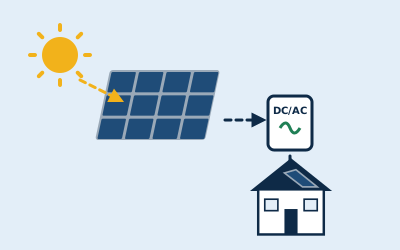
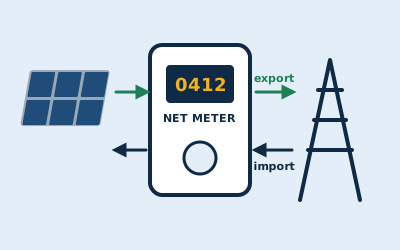
Panels and an inverter connected to the grid through a net meter. Solar powers your home first, surplus goes to the grid, and the grid fills any gap. It is the lowest-cost option and the one eligible for the PM Surya Ghar subsidy for homes. The trade-off: it switches off during a power cut.
Off-grid
Panels, a charge controller or off-grid inverter and a battery bank, with no grid connection. Suited to farms, remote sites and places without reliable supply. Batteries make it the most expensive per kW, and the system must be sized for your worst-weather days.
Hybrid
Connected to the grid and to a battery. You get net-metering savings plus backup during outages. It costs more than on-grid because of the battery and hybrid inverter, but it is the best choice where power cuts are frequent.
| On-grid | Off-grid | Hybrid | |
|---|---|---|---|
| Backup in outages | No | Yes | Yes |
| Battery | No | Yes | Yes |
| Net metering | Yes | No | Yes |
| Relative cost | Lowest | Highest | Medium-high |
| Best for | Most homes and businesses | No grid access | Frequent power cuts |
Our recommendation
For most homes in Ahmedabad and Gandhinagar with a stable supply, on-grid gives the fastest payback. If outages disrupt your work or family, add a battery now or choose a hybrid-ready inverter so you can add one later. See solar + battery systems.
Have a question about your own roof or bill? Book a free site visit and our engineer will answer it on site.
Find out what solar can save you
Book a free site visit. Our engineer checks your roof, load and bills, and gives you a written proposal.